
Are We Really Talking About Tooth Regrowth?
What the Science Is Showing and Why Your Mouth, Neck, and Body Still Matter Right Now
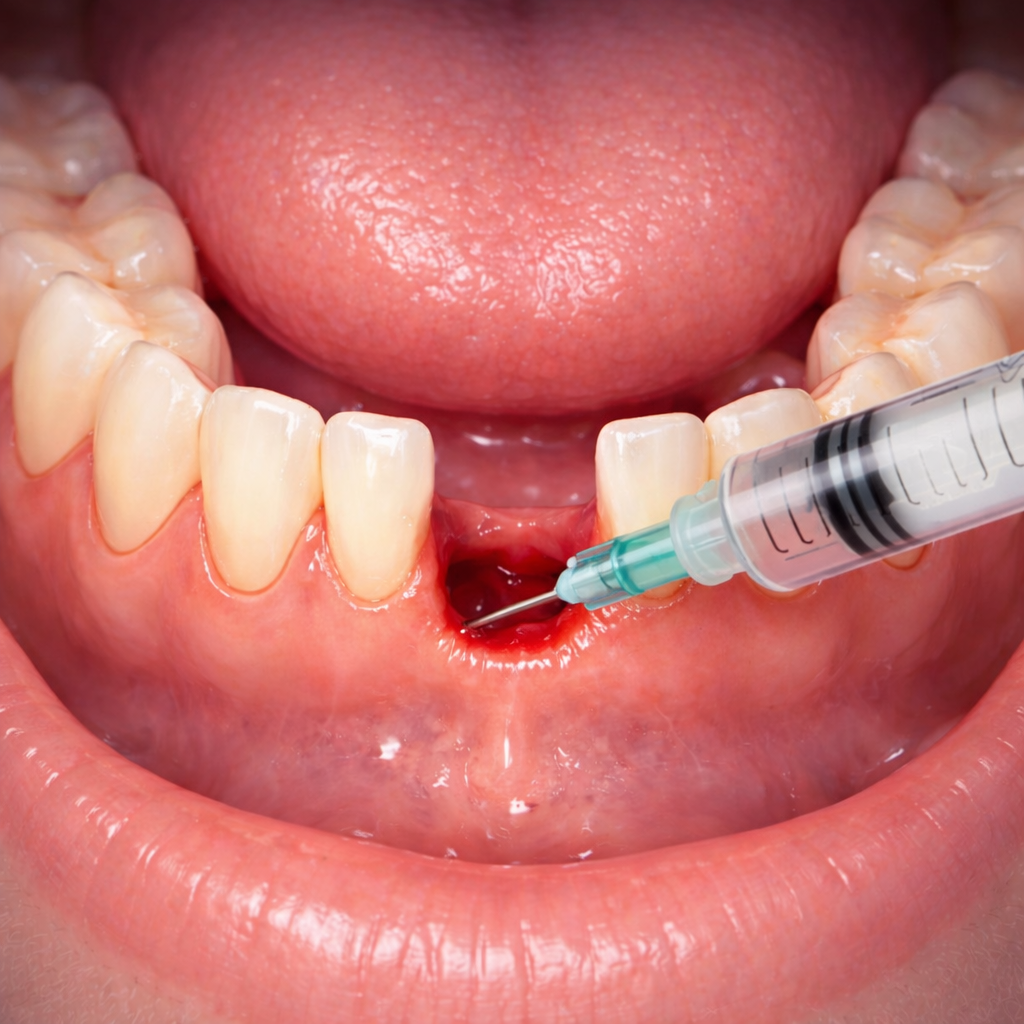
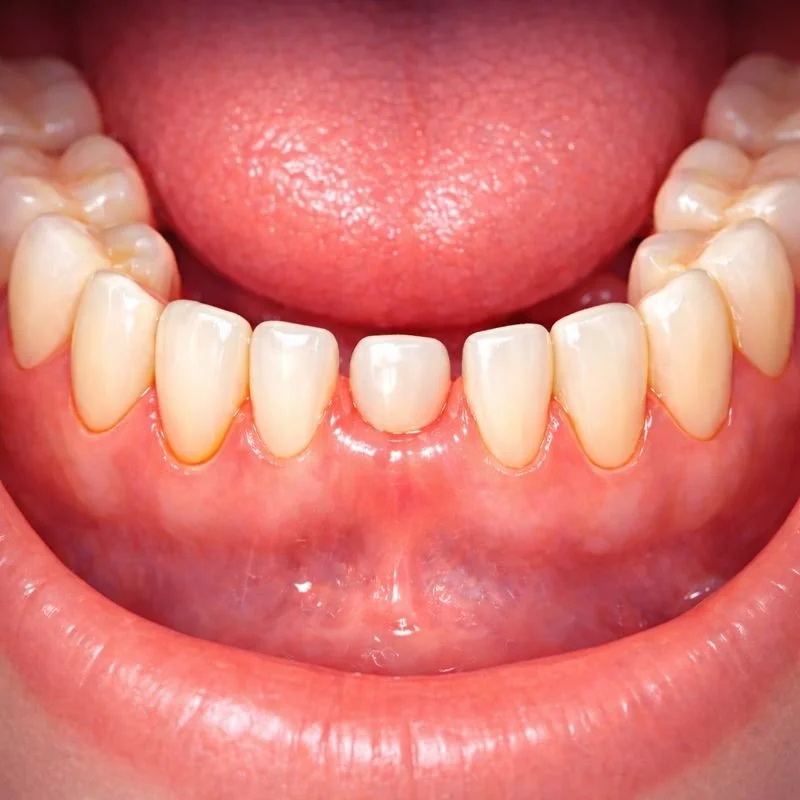
A few years ago, the idea of regrowing a human tooth would have sounded like science fiction. Something reserved for lab coats, mice, and maybe a future we wouldn’t personally see. Today, that conversation has changed. Not because teeth are suddenly regenerating in dental offices they aren’t but because credible, peer-reviewed research is showing that the human body may already have dormant pathways capable of forming new teeth under the right biological conditions. And that matters not just for dentistry but for how we think about the mouth as part of the entire musculoskeletal and neurological system, especially for young adults whose habits, posture, and oral health patterns are still being formed. Let’s slow this down and unpack what’s actually happening.
The Science (Without the Hype)
Researchers studying tooth development discovered that a protein called USAG-1 acts like a biological brake. (1) Its job is to suppress tooth formation by blocking two key signaling pathways: BMP and Wnt, both essential for growth and tissue development. In animal models, when this brake is selectively released, something remarkable happens: arrested or silent tooth buds resume development, and in some cases, entire new teeth form. (1) This doesn’t mean humans can walk into a clinic and regrow a tooth tomorrow.
But it does mean:
1. The body may already carry the biological blueprint
2. Tooth loss isn’t necessarily the end of the story
3. Regenerative dentistry is moving from theory toward application
Most experts estimate 4-5 years before early human trials meaningfully influence clinical conversations and even then, carefully and selectively. So no, this is not a miracle cure. But yes, it s real science and it reshapes how we think about oral health today.
Why This Matters Before Regrowth Is Available
Here’s the part that often gets missed online. If tooth regeneration becomes possible, it won’t exist in isolation. It will depend on the health of the surrounding system bone quality, nerve signaling, blood supply, inflammation levels, and mechanical forces. That means what you do now still matters deeply.
Your Teeth Don’t Float in Space
Every tooth is suspended in a ligament system connected to the jaw, skull, and neck. Chewing forces travel upward through the temporomandibular joint (TMJ), into the cervical spine, and across the shoulders. This is where dental hygiene, chiropractic care, and physiotherapy intersect.
Poor posture, chronic neck tension, jaw clenching, or restricted movement can:
Alter bite mechanics
Increase wear and micro-trauma
Affect blood flow and nerve input to oral tissues
These aren’t abstract ideas they re daily mechanical realities.
The Mouth Neck Body Connection (Explained Simply)
Think about a typical college day: Laptop use Phone scrolling Stress-related jaw clenching Late nights, inconsistent sleep. Over time, this creates a forward-head posture that changes how the jaw sits in the skull. That shift can influence:
TMJ loading tooth wear patterns
Facial muscle tension
Headaches and neck pain
This is why, at Near Me Therapy, dental hygiene doesn’t stand alone. It works with chiropractic and physiotherapy to support the entire system. Not because everything needs treatment but because everything is connected.
What Dental Hygiene Still Does Best (Even in a Regenerative Future)
If tooth regrowth becomes viable, it won’t replace prevention. In fact, it will make preventive dental hygiene even more important. Healthy gum tissue, controlled inflammation, and stable bone support are likely prerequisites for any regenerative approach to succeed. That means:
Thoughtful biofilm control
Respecting the gum bone interface
Monitoring wear, grinding, and airway influences
Addressing dry mouth, acidity, and nutrition
Regeneration doesn’t override biology it depends on it.
Why This Is Especially Relevant for Young Adults
In your late teens and early twenties, your body is still incredibly adaptive. Bone remodels faster. Nerves respond more efficiently. Habits good or bad become patterned. This is the stage where:
Bruxism often begins
Postural habits solidify
Stress shows up in the jaw and neck
Addressing these early doesn’t just protect your teeth it protects your future options, including regenerative ones.
What We Can Say Honestly Right Now
Here’s the grounded truth: Tooth regrowth is not available yet.
It is scientifically plausible, not speculative. The timeline is measured in years, not decades. The success of future therapies will rely on systemic health, not just the tooth itself. And that’s where integrative care becomes powerful.
A Quiet Shift in How We Think About Health
Tooth regeneration isn’t just about replacing what s lost. It s about recognizing that the body is not static it responds, adapts, and remembers. At Near Me Therapy, that philosophy already guides how we approach care:
Teeth as part of the nervous system
The jaw as part of posture
Oral health as a contributor to whole-body resilience
Whether or not you ever need regenerative dentistry, treating your mouth as part of your body not separate from it is always relevant. And that s not futuristic at all. That’s just good science, applied thoughtfully.
References
1. Murashima-Suginami A, Kiso H, Tokita Y, et al. Anti-USAG-1 therapy for tooth regeneration through enhanced BMP signaling. Sci Adv. 2021;7(7):eabf1798. Published 2021 Feb 12. doi:10.1126/sciadv.abf1798
