
The Shift in Oral Healthcare: Independent Dental Hygiene vs. Traditional Dental Offices
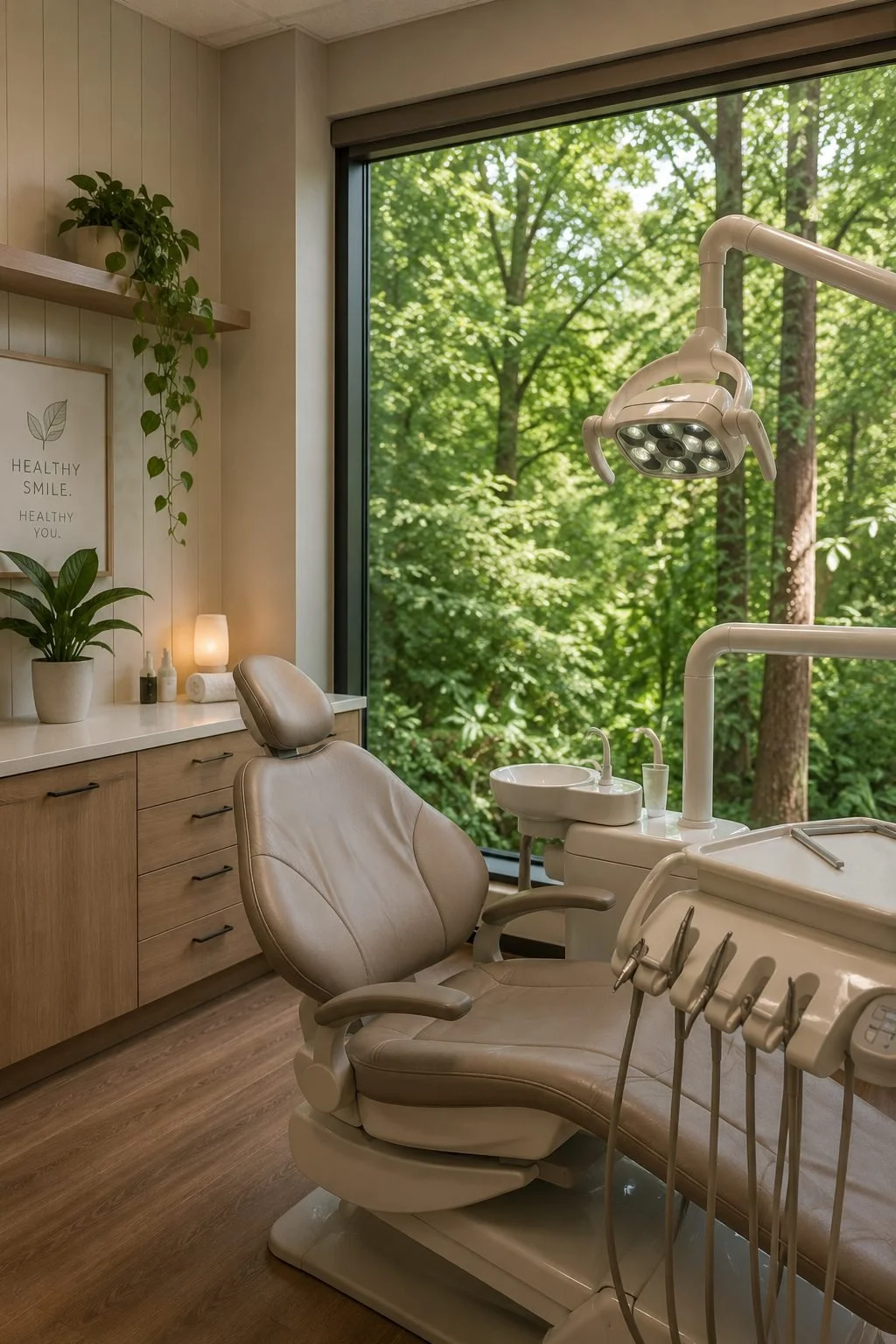
Figure 1: Targeted disruption of subgingival bacterial biofilm using low-sensory, precise hand instrumentation to protect the alveolar bone and surrounding gingival tissues.
In the Fraser Valley, the landscape of preventive healthcare is evolving. Independent dental hygiene offers a specialized, focused alternative to the traditional dentist-led model by decoupling preventive cleanings from restorative surgery. At Near Me Therapy in Langley, independent dental hygiene functions as a pillar of integrative medicine. This model focuses on the What: specialized biofilm removal and periodontal maintenance; the Why: to reduce systemic inflammation and prevent the degradation of the alveolar bone; and the How: through a boutique, low-sensory environment that prioritizes patient education over high-volume turnover. By operating independently, hygiene practitioners can dedicate 60 to 90 minutes per session to manual debridement and patient-led behavioral change, which is often abbreviated in traditional offices prioritized for surgical production. This approach is essential for patients in Willoughby and Walnut Grove seeking evidence-informed care that aligns with their overall physical wellness.
Understanding the Clinical Tiers of Hygiene Practice
When navigating oral care in British Columbia, it is helpful for patients to understand the educational rigour behind the title. While all Registered Dental Hygienists (DHs) in the province are highly trained professionals, there is a distinct clinical subset within the independent model.
Some independent practitioners hold a Bachelor of Dental Science (BDSc) from the University of British Columbia (UBC) or similar degree-granting institutions. This advanced academic background often includes intensive study in oral pathology, community health, and advanced pharmacology. These clinicians often transition into independent practice after years of serving as clinical instructors or specialized practitioners. At Near Me Therapy, we value this depth of "evidence-informed" perspective—it allows the clinician to bridge the gap between mechanical cleaning and systemic health screening, ensuring your care in the chair is backed by the latest peer-reviewed research. It is a subtle but significant distinction for patients who require a highly observational, diagnostic approach to their periodontal health.
The Anatomy of the Appointment: A Sensory Comparison
When you enter a traditional dental office off the busy Cloverdale corridors, the atmosphere is often dictated by the high-speed handpiece. The high-pitched whine of the drill creates a sympathetic nervous system response—the "fight or flight" reflex. This increases cortisol levels and causes the patient to grip the armrests, tightening the trapezius and levator scapulae muscles.
In contrast, an independent hygiene clinic is designed to minimize this autonomic arousal.
Tactile Precision: Without the pressure of a dentist waiting to use the chair for a crown preparation, the hygienist can focus on the tactile sensitivity required to detect subgingival calculus. They feel the "click" of the explorer against a rough deposit on the distal surface of a molar.
Acoustic Environment: The absence of drills means your auditory nerves aren't being bombarded. This is particularly significant for our neurodivergent patients or those with dental anxiety who find the "clinical bustle" of large Langley practices overwhelming.
Physical Realism of Tissue Response: We observe the gingival margin—the small ribbon of tissue where the tooth meets the gum. In a rushed setting, aggressive scaling can cause unnecessary trauma. In an independent setting, the focus is on the gradual disruption of the bacterial biofilm using ultrasonic vibrations and precise hand instrumentation, minimizing post-appointment inflammation.
Why Independence Matters for the Fraser Valley Patient
For residents commuting via Hwy 1 or living in the growing Willoughby community, time is a commodity, but health is a priority. The traditional "dentist-owned" model operates on a specific financial architecture: hygiene is often the "gateway" to restorative work like fillings or crowns.
The Independent Difference:
Direct Access: Under BC regulation, you do not need a dentist's referral to see a DH. You can maintain your preventive care at an independent clinic while seeing your preferred dentist only when restorative work is required.
Referral Neutrality: Independent hygienists in the Surrey/Langley area maintain networks with various specialists. If we detect a suspicious lesion or a cavity, we provide an unbiased referral based on the specific clinical need.
Collaborative Integration: At an integrative clinic, your hygienist observes the way your masseter muscles (the jaw) fire and may suggest a consultation with our on-site Kinesiologist or RMT to address TMJ dysfunction.
The Science of Biofilm and Systemic Inflammation
The mouth is the primary portal to the body. When we talk about "cleaning," we are technically discussing the management of a complex ecosystem. If subgingival (below the gumline) bacteria are not thoroughly removed, the body’s immune system triggers a chronic inflammatory response.
Nerve Firing and Pain: When plaque hardens into tartar (calculus), it acts as a mechanical irritant. The gingival tissues become erythematous (red) and edematous (swollen). The microscopic nerve endings in the sulcus send signals of distress.
The Vascular Connection: Chronic periodontal inflammation allows oral bacteria to enter the bloodstream. Evidence suggests a strong correlation between these bacteria and cardiovascular disease. By spending the necessary time to clear these pockets, independent hygienists provide a form of "preventive cardiology."
Breaking the Cycle of Dental Avoidance
Many patients in the Walnut Grove area admit to "failing" at the dentist. They feel judged for their flossing habits or overwhelmed by a long list of expensive recommended procedures. This leads to avoidance.
Independent dental hygiene breaks this cycle through observational empathy. We don't just tell you to "brush better." We look at the wear patterns on your enamel. We observe the way your tongue rests against your palate. We ask about your sleep quality—often identifying signs of sleep apnea that manifest as scalloped tongue edges.
Cost-Effectiveness and Insurance
A common misconception is that independent clinics are more expensive. In British Columbia, independent hygienists use British Columbia Dental Hygienists' Association (BCDHA) fee guide or similar. Most extended health providers (Pacific Blue Cross, Sun Life, etc.) cover independent hygiene exactly as they would in a traditional office.
Choosing Your Path in Langley/Surrey
If you have complex surgical needs, a traditional dental office is the correct clinical environment. However, if your goal is the long-term maintenance of your oral health, the prevention of gum disease, and a lower-stress clinical experience, the independent model is superior.
At Near Me Therapy, we view the mouth as part of the musculoskeletal and nervous system. Whether you are coming from a workout in Willoughby or finishing a shift in Cloverdale, your oral health should be an integrated part of your wellness routine.
Optimize Your Whole-Body Health at Near Me Therapy
Are you ready to experience a thorough, low-sensory dental cleaning that respects both your time and your physical biology? At Near Me Therapy in Langley, our experienced independent dental hygiene team works alongside our Chiropractors, RMTs, Kinesiologists, Acupuncturists, and Counsellors to treat the whole person, not just the symptom.
We serve patients across Willoughby, Walnut Grove, Cloverdale, and surrounding Surrey areas with direct-billing options for most insurance providers.
Click Here to Book Your Independent Dental Hygiene Assessment Online or call our Langley clinic today to integrate your oral care with your physical wellness strategy.
Evidence-Informed References
British Columbia Dental Hygienists' Association (BCDHA): Independent Practice Information and Patient Access Guidelines
British Columbia College of Oral Health Professionals (BCCOHP): Dental Hygienists Standard of Practice and Regulation
University of British Columbia (UBC) Faculty of Dentistry: Bachelor of Dental Science (BDSc) Dental Hygiene Degree Program
Journal of Periodontology: The Link Between Periodontal Disease, Microbial Biofilms, and Systemic Inflammation
