
Why your dental hygienist should be screening your mouth and throat for HPV in every visit
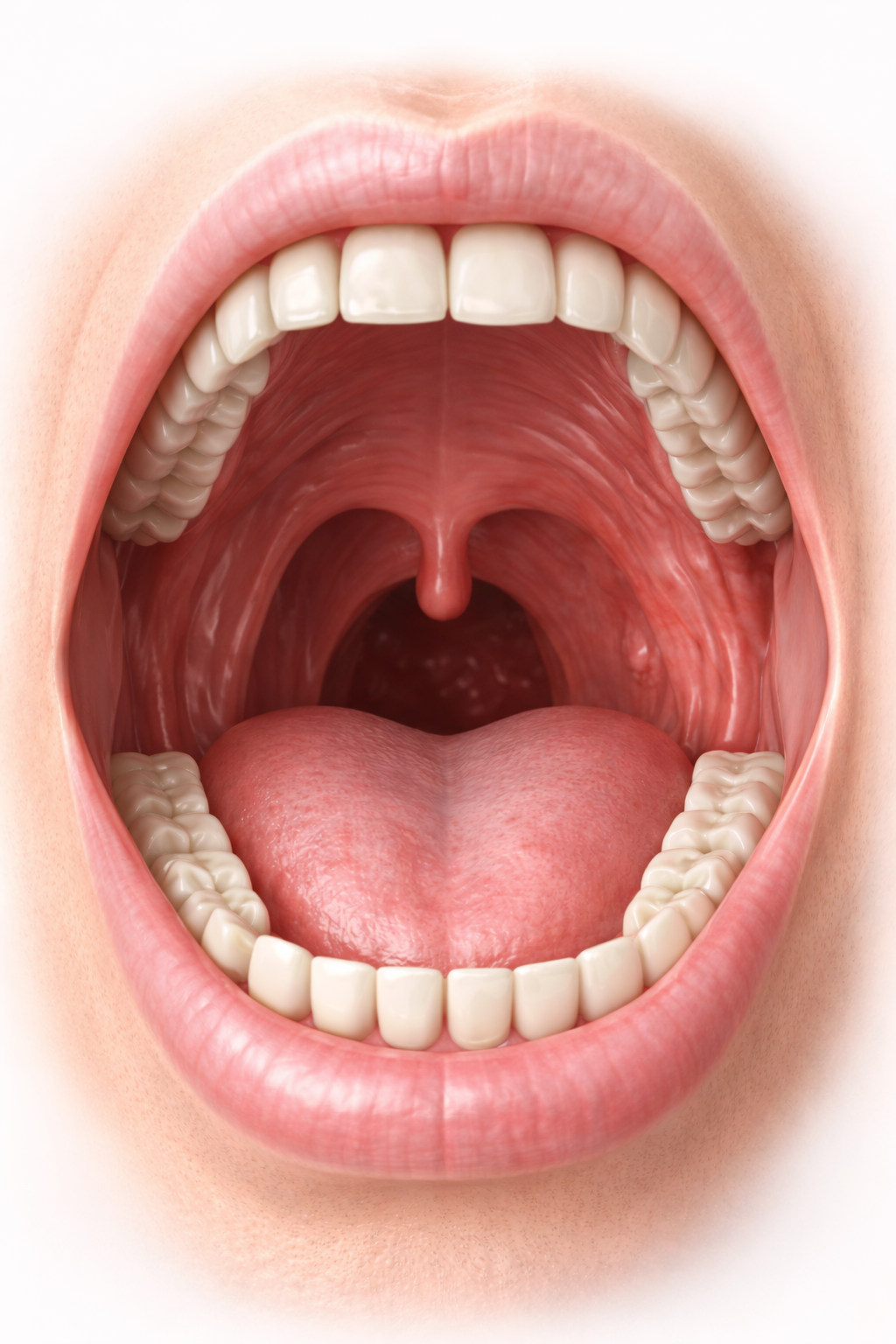
The following is a non-exhaustive impression of HPV and its role in oral health and not meant to be used for self-diagnostic purposes. Consult your hygienist, dentist or physician for individualized and appropriate care.
Routine dental hygiene appointments are packed with screening, assessment, treatment and advice to help ensure your teeth and oral cavity are functioning optimally. But sometimes, routine treatment leads to atypical findings and vital early intervention that may a patient’s life. In the case of HPV, more evidence is supporting its role in cancers found in the back of mouth and throat, making it necessary to take HPV and its manifestations in the mouth far more seriously at home and at the dental hygiene office.
About Human Papilloma Virus
Oral cancer can be attributed to numerous factors with strong association with smoking, alcohol, genetics, and now evidence for DNA viruses like HPV. (Chaitanya et al, 2016) Human Papilloma virus has over 100 strains, most of which do little to no damage. In fact, about 10% of men and 3.6% of women have oral HPV and most people clear it in one to two years. (CDC, 2026) However, HPV’s most serious strains like HPV16 are implicated in cervical cancer and now more evidence points to HPV as a causative agent in about 60% to 70% of oropharyngeal cancers in the United States (CDC, 2026) While it HPV may play a strong role, it may take years for it to lead to cancer and signs may be silent or subtle. (CDC, 2026)
As Dental Hygiene Practitioners, our role extends beyond teeth and gums. Every comprehensive hygiene appointment includes an in-depth oral cancer screening, where we assess the soft tissues of the mouth, throat, and neck. This matters because HPV-related throat cancers often develop silently, in areas that patients cannot easily see or feel themselves—particularly at the back of the throat, including the tonsils and base of the tongue.
Where does the HPV virus reside?
HPV can live quietly in the mouth without causing symptoms, and one possible hiding place is the gingival pocket—the space between the gums and teeth. This area is unique because it exposes basal epithelial cells, which are the main cells HPV infects elsewhere in the body, and it is often inflamed in people with periodontal disease, making viral persistence more likely. Studies have found high-risk HPV DNA in inflamed gum pockets, especially in people with poor oral hygiene or periodontitis. While HPV has not been proven to cause gum disease, chronic periodontal inflammation may help HPV survive longer and persist in the mouth. This may partly explain why areas near the gums and throat are common sites for HPV-related oral cancers, highlighting the importance of good oral hygiene and regular dental screening
How HPV-Related Cancers Can Present Differently
Traditional oral cancers—often associated with tobacco or alcohol—may appear as visible sores or white patches on the lips or tongue.
HPV-related cancers are different. They usually develop in the oropharynx, or the back portion of the mouth and throat, an area that is:
Not visible in the mirror
Not captured on routine dental X-rays
Often painless in early stages
This is why subtle, persistent symptoms deserve attention.
Symptoms Dental Hygienists Pay Attention To
During screening and patient conversations, these are the red flags we take seriously—especially when they persist for more than two to three weeks.
A Persistent Sore Throat: A scratchy feeling, dull ache, or irritation deep in the throat that does not resolve.
Difficulty Swallowing: A sensation that food is getting stuck or discomfort when swallowing, sometimes described as a “lump in the throat” feeling.
A Painless Neck Lump: A firm swelling on one side of the neck. This is one of the most common early signs of HPV-related throat cancer and may appear before any mouth symptoms.
Ongoing Ear Pain: Pain in one ear without signs of infection. This can be referred pain originating from the throat.
Voice Changes: Persistent hoarseness, muffled speech, or a “hot potato” quality to the voice.
Why These Symptoms Are Often Missed Many of these signs can resemble everyday conditions such as reflux, allergies, muscle tension, or fatigue. Because they are often painless and gradual, people may delay mentioning them.
From a dental hygiene perspective, duration matters more than intensity.
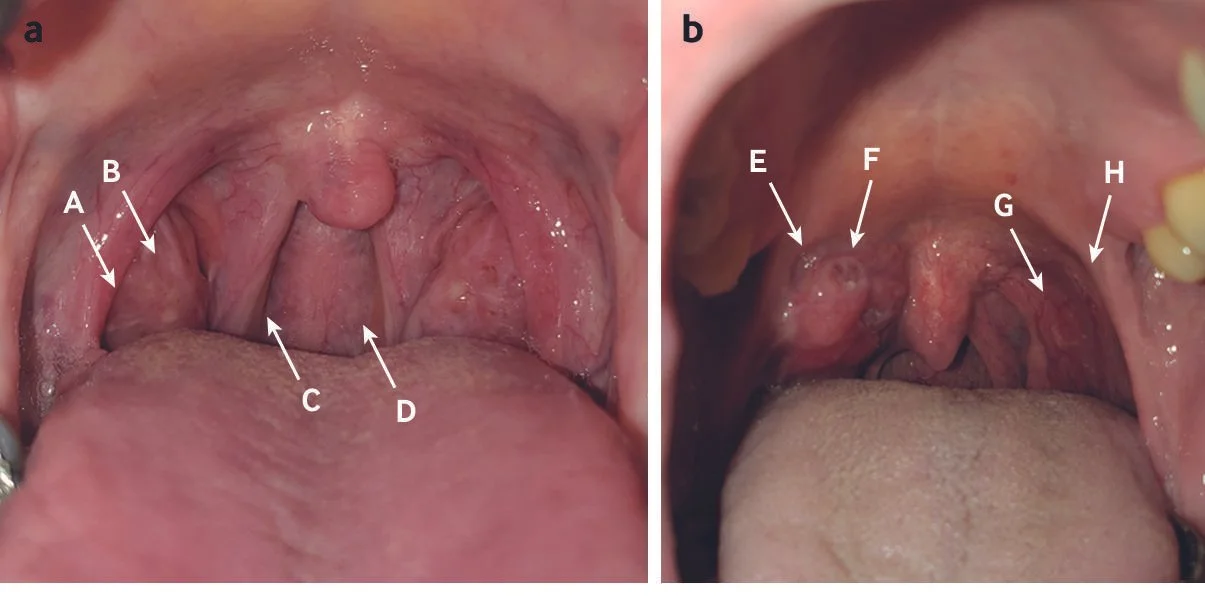
Some possible visual signs during an Oral Cancer Screening
Englarged or asymmetric tonsil positioning.
localized redness that persists in back of throat with ill defined borders.
Normal looking tissue that feels different
cauliflower or wart like appearance which is more likely to be benign but warrants examination
The Role of Dental Hygiene in Early Detection
Dental hygienists are not diagnosing cancer or HPV. Our role is to:
Perform regular soft tissue and neck screenings
Recognize changes that fall outside normal variation
Ask the right follow-up questions
Refer patients appropriately and quickly when something doesn’t look or feel right
There is currently no routine screening test for oral HPV, which makes visual and tactile examinations—and patient awareness—especially important.
Evidence-Based Guidance
Leading health organizations emphasize the importance of awareness and routine screening:
Centers for Disease Control and Prevention – HPV education, vaccine information, and cancer statistics
Office of the Chief Dental Officer of Canada – The dentist and dental hygienist’s role in oral cancer screening
Canadian Cancer Society – Patient-focused education on HPV-related oral and throat cancers
A Reassuring Reminder for You
Most HPV infections clear naturally and don’t cause harm. HPV-related throat cancers are rare, especially compared to how common HPV exposure is.
However, your routine dental hygiene visit is more than a cleaning—it is an opportunity for early screening and informed conversations.
If you’ve noticed a persistent throat change or neck lump, or any atypical symptom at all, mentioning it during your hygiene appointment is an important first step. Always seek medical and dental advice.
Want to experience a detailed and elevated hygiene experience that always includes screenings at any age? Book with our independent experienced dental hygiene practitioners today!
