
How Acupuncture Supports Nervous System Regulation: Traditional Chinese Medicine and Biomedical Perspectives
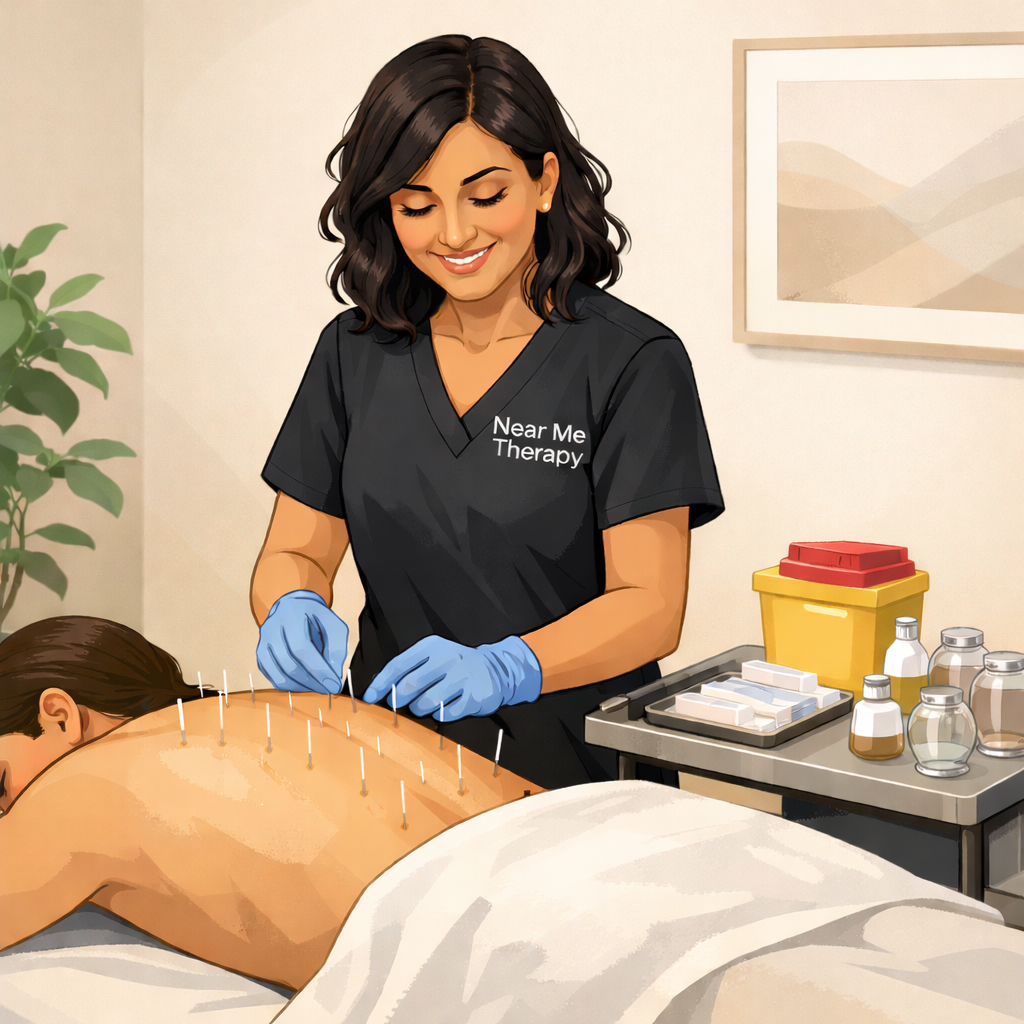
The nervous system plays a central role in how the body experiences pain, stress, recovery, and resilience. When regulation is disrupted, even minor physical or emotional stressors can feel overwhelming. Acupuncture supports nervous system balance by influencing how the body processes sensation, adapts to stress, and coordinates healing across systems.
At Near Me Therapy in Langley, acupuncture is delivered through a systems-based, integrative framework. Rather than treating symptoms in isolation, care focuses on how the nervous system interacts with muscles, joints, connective tissue, circulation, and emotional load.
The Nervous System’s Role in Pain and Stress
Pain is not purely a tissue issue. It is shaped by how the nervous system interprets incoming signals, influenced by prior injury, stress levels, sleep quality, and overall health. When the nervous system remains in a heightened protective state, pain sensitivity increases and recovery often slows.
Acupuncture helps regulate this process by stimulating specific points that influence neural signaling and autonomic balance. Many patients notice a shift toward a calmer, more regulated state following treatment. This change can reduce pain sensitivity, improve tolerance to movement, and support rehabilitation.
Chronic stress further compounds this cycle. Prolonged stress can affect muscle tone, breathing patterns, digestion, sleep, and emotional resilience. Acupuncture supports a shift away from constant alertness toward a state that allows repair, recovery, and adaptation.
Traditional Chinese Medicine and Nervous System Balance
Traditional Chinese Medicine has long viewed health as the result of balance between interconnected systems. From this perspective, symptoms are not isolated problems but signals of imbalance within the body as a whole.
TCM acupuncture selects points based on patterns involving stress, digestion, sleep, emotional health, and physical discomfort. This approach is particularly effective when symptoms fluctuate, involve multiple regions, or worsen during periods of stress.
Rather than targeting one structure, TCM acupuncture aims to restore coordination and flow between systems, supporting overall regulation.
Biomedical Acupuncture and Modern Physiology
Biomedical acupuncture applies acupuncture principles using modern anatomy, neurology, and pain science. Treatment often focuses on nerve pathways, muscular tone, trigger points, and connective tissue signaling.
This approach is commonly used in musculoskeletal care, injury recovery, and pain management. By influencing neural input and local tissue responses, biomedical acupuncture can reduce protective muscle tension and support movement quality.
Why Integration Matters
At Near Me Therapy, acupuncture blends both Traditional Chinese Medicine and biomedical acupuncture. This integration allows practitioners to address local tissue concerns while also supporting broader nervous system regulation.
When acupuncture is combined with chiropractic care, physiotherapy, massage therapy, and movement-based rehabilitation, outcomes are often more durable. A regulated nervous system improves tolerance to manual therapy, enhances movement confidence, and supports long-term recovery.
Care is continuously adapted based on response, ensuring treatment remains individualized rather than protocol-driven.
Acupuncture as Part of Systems-Based Care
Acupuncture works best when it is part of a coordinated plan that considers the whole person. At Near Me Therapy, treatment decisions account for physical symptoms, stress load, lifestyle factors, and movement patterns.
For those seeking acupuncture in Langley that prioritizes balance, regulation, and integrative care, this systems-based approach reflects how the body truly heals.
Also See: Acupuncture in Langley
Also See: Chiropractic in Langley
Also See: Physiotherapy in Langley
Also See: Near Me Therapy Langley Integrative Care and Approach
