

I Feel Worse After Treatment. Is That Normal?
Mild soreness or stiffness for a day or so after treatment is common, especially early on. Research shows these reactions are usually mild and short-lived, and they weren't linked with a worse recovery.

Irritable, Tearful or On Edge After a Crash: The Emotional Side of Recovery
Feeling anxious, irritable, tearful or on edge after a crash is common and understandable. Research shows people injured in crashes have higher rates of psychological distress. For most, it eases with time and support.

Can't Sleep Since the Accident? Why It Happens and What Helps
Poor sleep is common after a crash. Pain makes it hard to get comfortable, and stress can keep your mind racing. Sleep problems were among the common symptoms in a large study of people after a crash. Simple position and routine changes help many people.

Exhausted and Foggy After a "Minor" Car Accident
Feeling unusually tired, foggy or forgetful after a crash is common, even after a minor one. Pain, poor sleep and stress all drain energy, and these symptoms can also be signs of concussion.

Pain That Moves Around or Spreads After a Car Accident: Is That Normal?
It's common for pain after a crash to shift between areas or spread over the first days and weeks. Several areas are often injured at once, and a sensitised nervous system can make pain feel bigger than the injury.

Foot and Ankle Pain From Bracing on the Pedal in a Crash
Foot and ankle injuries are common in drivers, who brace hard on the brake pedal at impact. Many are sprains that improve over a few weeks with graded loading.

Tailbone and Pelvic Pain After a Rear-End Crash
Tailbone and pelvic pain after a crash often comes from the force through the seat in a rear-end impact or from bracing. It usually makes sitting, and getting up from sitting, uncomfortable. Many cases improve over weeks with sitting changes and graded care.
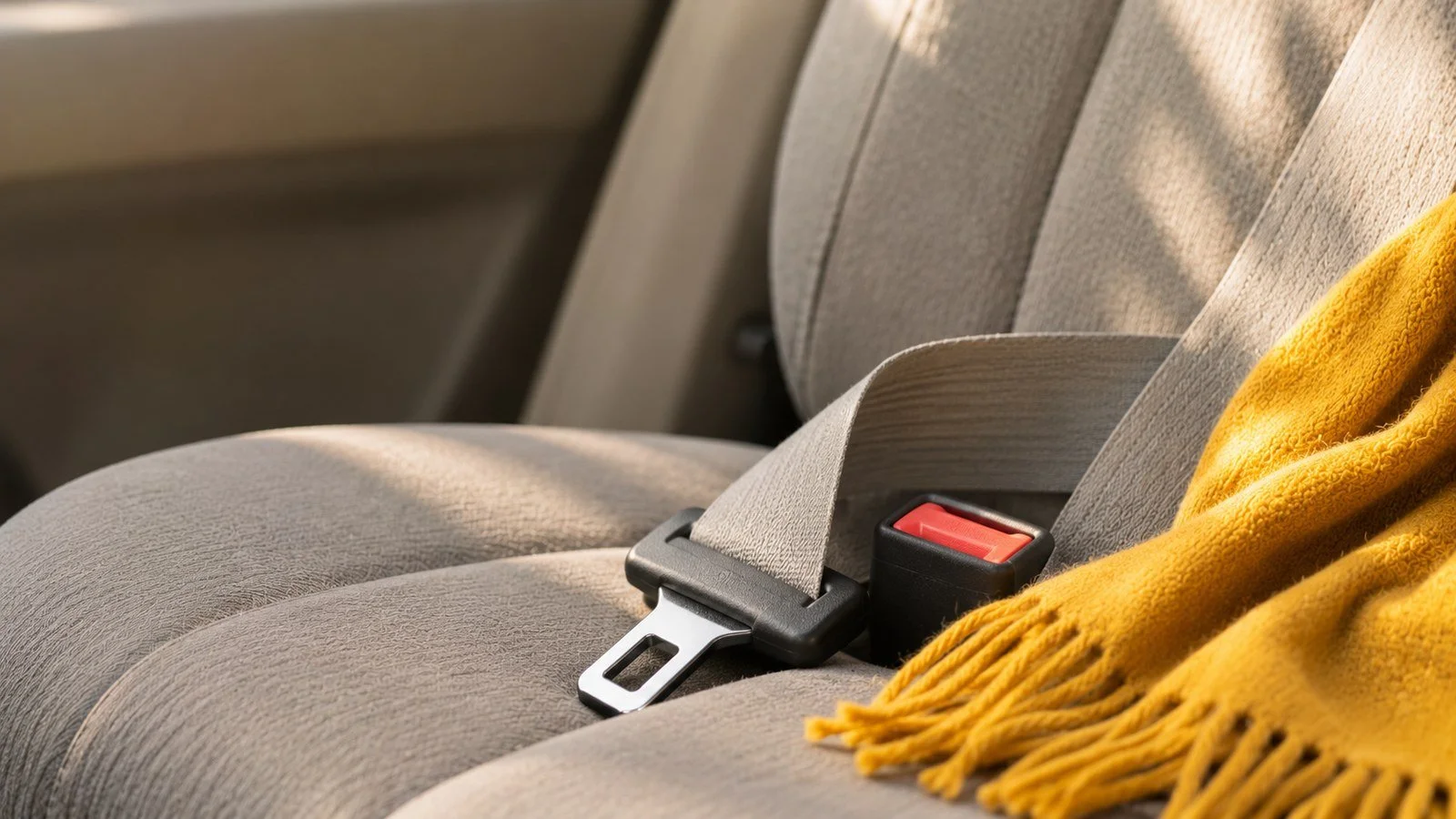
Chest or Belly Pain From the Seatbelt After a Crash: Bruise or Emergency?
Seatbelts save lives, and soreness or bruising where they crossed is common. But a seatbelt bruise across the belly, belly pain, chest pain with shortness of breath, or worsening pain needs emergency assessment, because internal injuries can show up late.

Wrist, Thumb and Hand Pain After a Car Accident
Wrist, thumb and hand pain after a crash is common from gripping the steering wheel, bracing, or airbag contact. Many are sprains that ease over a few weeks.

Knee Pain After a Car Accident: Dashboard Impact and What to Watch For
Knee pain after a crash is common when the knee hits the dashboard or lower panel. Bruising and soreness often settle within a few weeks. Swelling that comes on quickly, a knee that gives way or locks, or being unable to bear weight needs a medical check.

Front-of-Hip, Hip Flexor and Groin Pain After a Car Accident
Pain at the front of the hip or in the groin after a crash often comes from bracing hard on the brake or from the knee striking the dashboard. Many cases are muscle or joint strains that respond to graded exercise.

Shoulder Pain After a Car Accident: The Seatbelt Side and Beyond
Shoulder pain is common after a crash, often on the side where the seatbelt crossed or from gripping the wheel. Many cases are strains of the muscles and tendons, sometimes with neck involvement.

"Disc Injury" After a Car Accident: What an MRI Bulge Does and Doesn't Mean
Disc bulges and wear are very common on MRI, even in people with no pain, and they become more common with age. A bulge on a scan doesn't automatically mean it was caused by the crash or that it's the source of your pain.

Pain, Numbness or Tingling Down the Leg After a Car Accident
Pain, numbness or tingling running down the leg after a crash can mean a nerve in the low back is irritated, sometimes called sciatica. It needs a careful check.

Shooting Pain, Numbness or Tingling in the Arm or Hand After a Car Accident
Pain, tingling or numbness spreading into the arm or hand after a crash can mean a nerve in the neck is irritated. It needs a proper neurological check. Weakness, numbness in both arms or the legs, or loss of coordination needs urgent medical care.

Dizziness After a Car Accident: What It Can Mean and Who to See
Dizziness after a crash has several possible causes, including concussion, the inner ear and the neck. Because some causes need medical assessment, dizziness should be checked by a physician first.

Can You Get a Concussion in a Car Accident Without Hitting Your Head?
Yes. A concussion can happen when the head moves quickly enough, even without a direct hit. Symptoms such as headache, fogginess, dizziness, tiredness, poor sleep or trouble concentrating after a crash deserve a medical check.

Headaches After a Car Accident: From the Neck, the Jaw, or a Concussion?
New headaches are common after a crash. Many come from the neck or jaw, and some come from a concussion. A headache that keeps getting worse, a constant severe headache, repeated vomiting or confusion needs emergency care.

Mid-Back and Rib Pain After a Car Accident: Seatbelt Strain or Something More?
Aching between the shoulder blades or along the ribs is common after a crash, often from the seatbelt and from bracing. It usually eases over a few weeks with gentle movement and breathing.

Low Back Pain After a Car Accident: Why It Happens and What Helps
Low back pain is one of the most common injuries after a crash. Most of it is a sprain or strain of the muscles, joints and ligaments, and it usually improves with staying active and a progressive plan.